Last updated: September 10, 2026
Key Takeaways
- These loans are steady, measurable, and easy to keep going for 12 to 60 months.
- Mark the payoff review date every 3 or 6 months.
- Ask your servicer for the payoff quote with a specific date, often 7 to 30 days out depending on the loan.
- For example, you might aim to cut a 60-month auto loan to 36 months by paying an extra fixed amount each month.
Refinancing and payoff planning — the complete guide — are really two views of the same choice: lower the cost of debt, or wipe it out on a timetable you can actually live with? This refinancing and payoff planning guide lays out the trade-offs early. Your current rate, remaining term, cash flow, and how long you expect to keep the loan all matter. Not advice. Just information. For your own situation, a qualified adviser should review the numbers with you, because rates, fees, taxes, and rules vary by country and change often.
Who this refinancing and payoff planning guide is for, and what it assumes you already know
This refinancing and payoff planning guide is for someone who has a mortgage, personal loan, auto loan, student loan, or similar installment debt and wants to understand whether refinancing, accelerated payoff, or both make sense. You already know the basics, I’m assuming: a loan has a balance, an interest rate, a term, and a monthly payment. You can read a statement too. And you can find the current payoff amount, not just the last billed balance.
If your debt is already in collections, in arrears, in bankruptcy, or tied to a hardship program, the standard refinance-and-payoff playbook may not apply cleanly. In those cases, the first move is usually not a refinance calculation but a review of the loan contract, the delinquency status, and any legal or servicing restrictions. Same story if you’re comparing a fixed-rate loan to an adjustable-rate mortgage (ARM), which is a loan where the rate can change under a set formula. An ARM can look cheap today and become expensive later. Fast. Like a trapdoor.
This refinancing and payoff planning guide is most useful if you are deciding among three broad paths: keep the current loan, refinance into a different loan, or stay put and pay extra toward principal. “Principal” means the amount you borrowed, excluding interest and fees. The central question is not “Can I get a lower rate?” It is “Will the total cost and timeline improve enough to justify the fees, reset term, and lost flexibility?” That’s the real test.
A generic article often misses the most important distinction: refinancing can reduce the rate while also restarting the clock, and payoff planning can cut interest while also reducing liquidity. Those are different tools. I’d treat them as separate decisions that sometimes work together, not as one easy upgrade; if the numbers are complex, consult a qualified mortgage, lending, or financial professional before acting, because consumer guidance from the Consumer Financial Protection Bureau (CFPB) and your local regulator may not cover every loan type or fee structure. CFPB on mortgage refinancing
What refinancing really changes in refinancing and payoff planning
Refinancing replaces one loan with another loan, usually to change the rate, term, monthly payment, or loan type. It does not erase the debt; it just changes the contract. Sounds simple. But people often stare only at the new monthly payment and miss the rest of the deal. A lower payment can come from a lower rate, a longer term, or both. Only one of those usually helps in a durable way.
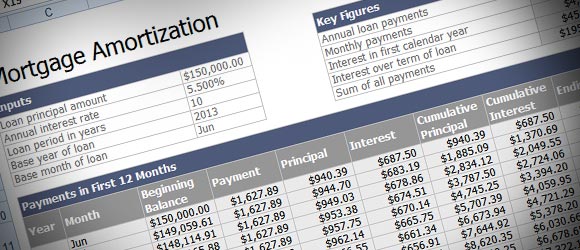
Rate, term, fees, and amortization are the moving pieces. “Amortization” means the schedule by which each payment is split between interest and principal. Early in the life of a loan, a larger share of the payment goes to interest. That is why a refinance late in the loan’s life can produce less benefit than the monthly payment suggests. If you have 6 years left on a 30-year mortgage and refinance into a new 30-year mortgage, you may save cash flow and pay more interest over time. The math can wobble.
Refinancing can also change the type of risk you carry. A fixed-rate loan gives you a constant rate for the term. An adjustable-rate loan can start lower but move later. A cash-out refinance can convert home equity into loan proceeds, which can be useful for some debt consolidations but increases the amount owed against the asset. If your goal is payoff planning, cashing out usually works against the goal unless you are replacing even more expensive debt under a disciplined plan.
Fees matter. A refinance can include lender fees, appraisal costs, title costs, recording fees, or points. “Points” are upfront charges paid to lower the rate. The exact mix differs by lender and country. If the fee package is large enough, the refinance may only make sense if you keep the loan long enough to break even. Break-even is the point where your monthly savings have covered the upfront cost. No magic. Just arithmetic.
I’m skeptical of refinancing for anyone who plans to move, sell, or refinance again within a short window. In that case, a lower rate on paper may not survive long enough to pay back the costs. The same caution applies if your income is unstable and you need maximum flexibility. Good-looking numbers can still be a mirage.
How to refinance and plan payoff step by step

You can handle this in a disciplined order: gather the numbers, compare options on total cost, and then choose a payoff target that matches your cash flow. The exact figures will vary by lender and jurisdiction, but the method does not.
- Get the current payoff amount, not just the statement balance. Ask your servicer for the payoff quote with a specific date, often 7 to 30 days out depending on the loan. Verify whether the quote includes accrued interest and any per-diem interest, which is daily interest charged until the loan is closed. A problem sign is a quote that only shows principal and ignores outstanding interest, because that understates what you actually owe. If the quote is unclear, ask a qualified professional or the servicer to confirm it in writing before you act.
- List every refinance cost in writing. Include origination fees, appraisal fees, title or recording charges, points, and any prepayment penalty on the current loan. If the lender cannot itemize the costs, stop and ask for the disclosure document used in your country, such as a Loan Estimate in the United States. A problem sign is a vague “small closing cost” claim with no itemization. The CFPB explains how mortgage closing disclosures help borrowers compare costs. [CFPB mortgage closing disclosures](https://www.consumerfinance.gov/owning-a-home/closing-disclosure/)
- Compare the new monthly payment against the current one on equal terms. Use the same payment date and the same remaining term where possible. If the new quote is for a 30-year term and your current loan has 12 years left, also ask for a 12-year comparison or a shorter term. Verify whether the payment includes escrow for taxes and insurance if you are comparing mortgages. A problem sign is comparing a payment that bundles insurance and taxes to one that does not. Apples to oranges. It’s useless.
- Calculate the break-even period in months. Divide the total refinance cost by the monthly payment reduction. If the monthly reduction is small, the break-even period can be long even when the rate looks better. Verify that you are using after-fee savings, not the headline payment drop. A problem sign is a refinance that takes years to recover its costs while your plans suggest you may not keep the loan that long. For a simple reference point, the CFPB advises comparing closing costs against how long you expect to keep the loan. [CFPB refinance guide](https://www.consumerfinance.gov/consumer-tools/mortgages/what-is-a-refinance/)
- Estimate total interest under each path. Ask for an amortization schedule, which shows how each payment is split over time. Compare the interest you would pay if you keep the current loan, refinance, or make extra principal payments instead. A problem sign is a refinance that lowers the payment but extends the term enough to increase total interest.
- Set a payoff target tied to a date or balance. Decide whether you want a specific loan-free date, a specific balance by a certain month, or a monthly payment ceiling. For example, you might aim to cut a 60-month auto loan to 36 months by paying an extra fixed amount each month. Verify that your target leaves enough room for emergency savings and irregular bills. A problem sign is an aggressive payoff plan that strips your cash buffer.
- Check for prepayment rules before sending extra money. Some loans apply extra payments to future interest, some to principal, and some require you to mark the payment as principal-only. Verify the lender’s instructions in writing so the extra amount does not sit in suspense or get treated as next month’s installment; if the rules are unclear, consult the servicer or a qualified professional before sending funds. A problem sign is a lender that will not explain how extra principal is processed.
- Choose the execution method that matches your cash flow. You can make one-time principal reductions, round up monthly payments, or automate a fixed extra amount. A general pattern is rounding a payment up to the next $50 or $100 increment, but the amount should fit your budget, not a rule of thumb. Verify that automation does not overdraw your account. A problem sign is an automatic extra payment that causes fees or missed bills elsewhere.
This process works because it forces you to compare like with like. A refinance is not “good” simply because the rate is lower. Payoff acceleration is not “good” simply because the loan ends sooner. The right answer depends on the gap between today’s contract and the next one, plus the value of keeping your monthly cash free.
What should I check before I refinance?
You should check five things before you sign anything: the payoff quote, the full fee stack, the remaining term, your time horizon, and the fine print on prepayment. Those five checks catch most of the expensive surprises.
Start with the remaining term. Once you’ve already paid a loan for many years, refinancing back into the original term length can be a trap. A 30-year mortgage that is refinanced into another 30-year mortgage after a decade may lower the payment but can stretch the debt out far longer than intended. A more disciplined comparison is often to the remaining term you already have, or to a shorter term that matches your payoff goal.
Then check your time horizon. If you may sell the house, trade the car, change jobs, or move within a few years, the refinance needs to pay for itself quickly. A refinance that only breaks even after a long period is fragile. Life rarely stays still long enough for a bad break-even period to matter.
Next, look at rate type and reset risk. A fixed rate gives certainty. An adjustable rate can begin lower, but the adjustment formula, index, margin, caps, and reset dates matter. Those are technical terms, but they control whether the payment can jump later. A generic article will say “lock in a lower rate.” I’d say “understand what event causes the rate to change and how much the payment could move.”
Check your credit and underwriting profile only to the extent it affects pricing and approval. A refinance can fail if the lender’s debt-to-income ratio rules, property valuation, employment verification, or loan-to-value thresholds do not fit. “Loan-to-value” means the loan balance compared with the value of the collateral, usually a home or car. If the property value has fallen, you may not qualify for the terms you expected.
Finally, read the prepayment language on both loans. Some contracts permit extra principal without penalty. Others charge a fee if you pay off early, refinance too soon, or make large overpayments. This is one of the most overlooked details. A single clause can change the whole calculation. Don’t skip it.
I’d be cautious about refinancing purely to free up cash each month if the result is simply a longer term and a bigger total interest bill. That may be appropriate only when the budget problem is immediate and the alternative is missing payments. For a discretionary refinance, the burden is on the new loan to justify itself.
When refinancing is the wrong tool
Refinancing is the wrong tool when the new loan improves the monthly payment but worsens the overall position in a way you cannot recover from. Here are the clearest stop signs.
You expect to keep the loan only a short time: It means the break-even period may outlast your ownership or borrowing horizon — focus on payoff planning or keeping the current loan if the refinance costs are not recovered quickly.
The new term is much longer than the time left on the current loan: It means you may trade near-term relief for more total interest — ask for a comparison against the remaining term, not the original term.
A prepayment penalty makes early exit expensive: It means refinancing or extra payoff can trigger a fee — wait until the penalty window passes or confirm the exact cost before moving ahead.
Your income is unstable and you need flexibility more than a lower rate: It means a lower payment can be helpful, but a refinance may add fees or reduce options — protect liquidity first, especially if you need a cash buffer of several months of expenses.
The loan is already cheap relative to the market and the fee stack is large: It means the savings may be too small to recover closing costs — keep the current loan and direct any spare cash to principal only if the budget allows.
The loan is in hardship, delinquency, or legal dispute: It means the normal refinance path may not be available — get qualified help before acting, because servicing status can limit or block new underwriting.
A refinance should not be treated as a cure-all; if you are unsure, consult a qualified financial, tax, or lending professional before deciding, because the right answer depends on your contract and local rules. If the real problem is overspending, unstable income, or no emergency fund, a new loan can create a cleaner monthly bill without solving the underlying pressure. That is especially true if you are tempted to roll unsecured debt into a secured loan just because the payment looks smaller; the CFPB warns that using home equity to consolidate debt can put your home at risk if you cannot repay. CFPB on home equity loans and lines
The cleanest reason to stop is simple: if the refinance only helps by extending the pain, it is not helping enough. Lower monthly payment is useful only when the total picture also improves or the budget emergency is serious enough to justify the trade-off.
Payoff planning that actually works
Payoff planning works when the extra money is regular, the target is specific, and the loan contract applies payments the way you expect. The most useful plans are boring. They are steady, measurable, and easy to keep going for 12 to 60 months.
The first choice is direction: reduce monthly payment pressure, shorten the term, or eliminate the debt by a date. Those are different goals. If you want a debt-free date, you need a fixed extra amount and a clear schedule. If you want to stay flexible, you may prefer a variable extra payment that you increase only when income is strong.
A good payoff plan starts with the minimum payment and one extra layer. That extra layer can be one fixed monthly amount, one annual lump sum, or a percentage of windfalls such as tax refunds, bonuses, or side income. I’d avoid plans that depend entirely on irregular income unless you already know your cash flow is stable. A bonus is not a budget.
For installment debt, extra principal usually has the biggest effect early in the remaining term because it reduces the balance on which interest is charged. That does not mean every extra dollar is magical; it means timing matters. If you can put an extra payment in the first quarter of the year instead of the last, the savings are generally better because the balance is lower for more of the year.
Keep the emergency fund separate. That is one of the least glamorous but most important rules. If you empty your savings to pay off a loan and then have to borrow again at a higher rate or miss a bill, the payoff plan has backfired. A practical payoff plan respects the fact that cash on hand is part of financial resilience.
Use a calendar, not just a good intention. Mark the payoff review date every 3 or 6 months. Check whether the balance is falling as expected and whether the lender is applying extra payments correctly. If not, correct it immediately. No drama. Just fix it.
Common mistakes that make refinancing or payoff planning backfire
The most common mistakes are easy to avoid once you know what they cost.
-
Focusing on the monthly payment only.
The consequence is a longer loan life and higher total interest. The correct alternative is to compare total cost, remaining term, and break-even period together. -
Ignoring fees because the rate looks lower.
The consequence is paying upfront costs that take years to recover. The correct alternative is to list every fee and divide it by the monthly savings before deciding. -
Resetting to a long term when you could keep the current remaining term.
The consequence is stretching debt far past the original payoff horizon. The correct alternative is to compare the refinance against the remaining term, not the original loan length. -
Making extra payments without confirming they hit principal.
The consequence is money sitting in limbo or being applied to the wrong billing period. The correct alternative is to label the payment principal-only and verify the lender’s allocation rules. -
Using all spare cash for debt payoff and leaving no buffer.
The consequence is having to reborrow or miss essential bills after a small shock. The correct alternative is to keep a cash cushion that matches your risk and expenses. -
Assuming all loans allow the same payoff tactics.
The consequence is unpleasant surprises from prepayment penalties, variable rates, escrow changes, or lender rules. The correct alternative is to read the contract and ask for written clarification before changing anything.
A generic article often praises acceleration without naming the cost of lost liquidity. That cost matters. If your income is seasonal, if you support dependents, or if your car is essential for work, the “best” payoff plan on paper can be the wrong plan in real life.
What about mortgages, auto loans, and student loans?
They follow the same logic, but the details differ enough that one rule does not fit all. A mortgage refinance usually has the largest fee stack and the longest term, so break-even timing matters a lot. Auto