Last updated: September 10, 2026
Key Takeaways
- Model month 1, then month 60. Compare them.
- Pick a fixed amount, such as an extra $100 or one additional principal-only payment per year, if your budget can absorb it.
- Watch for a warning sign: setting the extra payment so high that you would need to borrow again for an emergency within the next 30 days.
- Check that the next statement shows the balance reduced by the extra amount, minus any permitted fees.
Extra monthly payments push more money to principal sooner. That lowers the balance future interest is charged on. Usually, the loan ends earlier and total interest drops; but the result depends on whether your lender applies the extra amount correctly and whether your mortgage has prepayment limits or penalties. This is information, not financial advice. For your own situation, especially with taxes, refinancing, or penalty clauses, I would speak with a qualified adviser or your lender’s servicing department. For how servicers handle extra principal and payment application, see the Consumer Financial Protection Bureau and your loan note.
Table of Contents
- Who this applies to, and what you need to know first
- What actually changes in the amortization schedule?
- How do extra monthly payments change mortgage amortization?
- How to calculate the effect, step by step
- What should I check before sending extra money to my mortgage?
- When should you stop and get qualified help?
- The mistakes people actually make, and what they cost
- What changes when the mortgage has special terms?
- How do I know if the extra payment is actually helping?
- Common questions about extra mortgage payments
Who this applies to, and what you need to know first
A standard amortizing mortgage is what this is about — usually a fixed-rate or adjustable-rate loan paid down over 15, 20, 25, or 30 years through scheduled monthly payments. You should already know the current principal balance, the rate, the remaining term, and whether your lender allows principal-only prepayments. If the loan is interest-only, has negative amortization, or includes a balloon payment, the math shifts enough that the usual “extra monthly payment” advice can mislead you. Clean, but not simple.
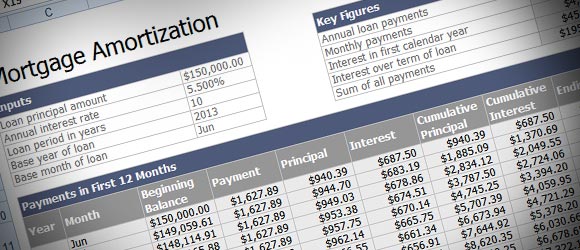
Amortization means paying a loan down over time with payments that include both interest and principal. Early on, most of the payment goes to interest because the balance is still high. Later, more of it chips away at principal.
I’d treat extra payments as a balance-reduction move, not as a generic “savings strategy.” They work best when the lender applies them directly to principal and when there is no prepayment penalty. They are a poor fit if your mortgage charges a penalty for early principal reduction, if you have high-interest consumer debt, or if you need cash reserves for a 3-to-6-month emergency fund before making loan changes. If you are unsure how your servicer will post the payment, check the note or ask a mortgage professional before sending extra money.
What actually changes in the amortization schedule?

Extra payments change the path of the loan, not just the finish line. A standard amortization schedule assumes the same payment amount every month and a gradually shrinking interest charge as the balance falls. Add even one extra payment per year, or a fixed extra amount every month, and the balance falls faster. Because monthly interest is charged on the unpaid principal, next month’s interest is smaller than it would have been otherwise.
That creates two effects at once:
- Less interest over time because the outstanding balance is smaller.
- A shorter payoff date because more principal is retired earlier.
Timing matters. A payment made in month 2 has more effect than the same payment made in month 22, because it reduces the balance sooner and trims interest on many later payments. So a generic line like “extra payments save interest” is true, but it leaves out the good part. Reverse compounding. That is the real story.
There is also a mechanical wrinkle. Some lenders keep the original payment amount and shorten the term. Others recast the loan or simply hold the payment amount steady until the schedule ends sooner. If the servicer does not apply the extra cash as a principal prepayment, it may sit in suspense or be treated as an advance regular payment. That difference matters in real money, even on a modest loan with a 30-year term. If the instructions are fuzzy, check the loan note or ask the servicer how it applies extra principal.
How do extra monthly payments change mortgage amortization?
They push the principal balance down earlier, which shrinks the interest base for every later month. Simple idea. Big effect.
How to calculate the effect, step by step
Use your loan details and a payment schedule, then confirm the lender applies the extra amount to principal. In practice, I’d use the actual mortgage statement, the note, and an amortization calculator from a bank, a government agency, or a spreadsheet you can audit.
- Confirm the loan type and prepayment terms. Check whether your mortgage is fixed-rate, adjustable-rate, interest-only, or balloon, and look for words like “prepayment penalty,” “principal curtailment,” or “applies to next installment.” Verify the note or servicing guide shows how extra funds are handled. A warning sign is a penalty, a lockout period, or language that sends extra money to future payments instead of principal.
- Find the exact current balance and monthly interest rate. Use the unpaid principal balance on the latest statement and convert the annual rate to a monthly rate by dividing by 12, if your calculator requires it. Verify the balance excludes escrow for taxes and insurance. A warning sign is using the total payment amount instead of the loan balance.
- Identify the regular principal-and-interest payment. Do not use escrowed tax and insurance amounts in the amortization math. Verify the number on your statement labeled “principal & interest” or similar. A warning sign is accidentally counting the full mortgage payment, which makes the extra payment look larger than it really is.
- Decide the size of the extra payment. Pick a fixed amount, such as an extra $100 or one additional principal-only payment per year, if your budget can absorb it. Verify that amount fits after essentials and reserves. A warning sign is setting the extra payment so high that you would need to borrow again for an emergency within the next 30 days.
- Apply the extra amount only to principal if the lender allows it. Submit it through the servicer’s principal-payment instructions, not just by overpaying the regular bill. Verify the next statement shows the balance reduced by the extra amount, minus any permitted fees. A warning sign is a suspense balance or a statement that says the money was held as a future payment.
- Check the amortization schedule for the new payoff date. Recalculate with the lower balance after each extra payment or with a one-time extra principal amount. Verify that the term shortens and that total interest falls. A warning sign is a calculator that assumes the extra payment is recurring when you meant a one-time payment, or vice versa.
- Track the savings against your opportunity cost. Compare the mortgage rate with other uses for the money, such as taxable debt, employer retirement matching, or required reserves. Verify you are not ignoring penalties, fees, or taxes that affect the net benefit. A warning sign is focusing only on the interest saved while missing a better use for the cash elsewhere.
- Review the result after one or two statements. Confirm the servicer posted the extra principal correctly and that the payoff estimate reflects the new schedule. Verify the payment history matches your instructions. A warning sign is a mismatch between your records and the servicer’s, which can snowball into months of wrong application.
The plainest way to see it: every extra dollar that reaches principal earlier stops being part of the balance future interest is charged on. That is why the savings from early extra payments are usually larger than the same dollar amount paid late in the loan. Timing can be a sneaky thing.
What should I check before sending extra money to my mortgage?
Check three things first: prepayment rules, cash reserves, and whether the lender will apply the payment correctly. A mortgage with a 30-year schedule can still punish extra payments if the contract includes a penalty, a lockout, or a servicing quirk that misapplies the money. Many loan documents use terms like “principal curtailment” for extra principal and “escrow” for taxes and insurance; those are not the same thing.
A practical checklist looks like this:
- Read the note or servicing guide for prepayment language.
- Confirm the extra amount is above any minimum the servicer requires for principal-only posting.
- Verify there is no penalty for paying ahead.
- Keep enough liquidity for a 3-month to 6-month emergency cushion if your income is variable.
- Make sure any higher-rate debt, such as credit card debt, is not sitting unpaid while you prepay a much cheaper mortgage.
This is the part many generic guides skip: extra principal payments are not automatically the best use of cash. If the mortgage rate is low and you are short on reserves, a faster payoff can create stress instead of stability. I would not frame this as “always do it” advice. To be fair, it is often the wrong move for borrowers who are already cash-tight, facing job instability, or carrying debt at materially higher rates than the mortgage.
For federal guidance on mortgage servicing and payment allocation issues, the Consumer Financial Protection Bureau has plain-language material on mortgage statements and payment handling; the exact page can change, so I would look there and, if needed, ask your servicer to point you to the clause that governs principal payments. The CFPB and your loan note matter more than a general blog post. No mystery there.
When should you stop and get qualified help?
Stop if the mortgage contract, your cash flow, or your tax situation makes the math ambiguous or risky.
There is a prepayment penalty or lockout period: This can erase part of the benefit or make the extra payment irrational — ask the servicer or a mortgage professional to calculate the net effect before paying extra.
Your mortgage is adjustable-rate and the rate is about to reset: The amortization path may change after the reset, which makes a current schedule incomplete — get the reset terms checked before committing money.
You are behind on payments or in forbearance: Extra principal usually does not fix delinquency, and servicers may apply funds in ways you do not expect — get help from the servicer or a housing counselor first.
Your loan is interest-only, negative amortization, or has a balloon payment: The usual amortization logic does not fit cleanly, so ask a qualified adviser or the lender to explain how extra payments are treated.
You rely on the mortgage-interest deduction or another tax effect tied to your country’s rules: Extra prepayment can change your tax picture, and rules differ by jurisdiction — consult a tax professional before changing your payment pattern.
Your income is irregular or your emergency fund is under 3 months of expenses: Paying extra may reduce flexibility when cash is most valuable — build liquidity first, then revisit prepayment.
The mistakes people actually make, and what they cost
The biggest mistake is sending an extra amount without specifying principal-only treatment. That can turn a deliberate prepayment into a future installment credit, which changes the amortization little or not at all. The fix is to use the servicer’s principal payment method and verify the next statement.
A second mistake is paying extra on a loan with a penalty. The cost is direct: the penalty can reduce or wipe out the interest saved. The fix is to read the note before the first extra payment, not after.
A third mistake is using the full mortgage bill instead of just principal and interest in the math. That inflates the size of the “extra” payment because escrow for taxes and insurance is not principal reduction. The fix is to isolate the loan payment from the escrow portion.
A fourth mistake is assuming every extra dollar saves the same amount of interest regardless of timing. It does not. Early principal reductions matter more than late ones. The fix is to model the payment in month 1, then again in month 60, and compare.
A fifth mistake is ignoring higher-interest debt or empty savings. If cash is thin, a faster mortgage payoff can leave you exposed to car repairs, medical bills, or job loss. The fix is to compare the mortgage rate with the cost and urgency of other obligations before sending extra principal.
What changes when the mortgage has special terms?
The standard amortization model needs adjustment when the loan is not a plain fixed-rate, fully amortizing mortgage. With an adjustable-rate mortgage, the interest rate can change on a set adjustment date, often tied to an index and margin. In that case, an extra payment still reduces principal, but the future benefit depends on the new rate path. With an interest-only loan, extra payments usually do not behave the same way because the regular payment may not reduce principal at all. With a balloon mortgage, the payoff is concentrated at the end, so extra payments may matter more for liquidity planning than for a neat amortization curve.
There are also servicing edge cases. Some lenders allow a true recast, which is a recalculation of the monthly payment after a large principal reduction while keeping the same loan term. A recast is different from refinancing. It does not replace the old loan with a new one; it simply re-amortizes the remaining balance. Not every lender offers this, and fees vary.
If you want to model a special-case loan, use the exact contract terms, not a generic 30-year amortization calculator. A schedule built on a 6.5% fixed-rate assumption will mislead you if the rate changes in 24 months or if a penalty applies above a certain prepayment threshold. The right answer often depends on the note, not the headline rate.
How do I know if the extra payment is actually helping?
It is helping if the principal balance falls faster and the payoff date moves earlier.
A good result looks like this: the statement balance after the payment is lower by the amount you intended to prepay, the payment history shows principal reduction rather than a future credit, and the updated amortization schedule shows less total interest over the remaining term. You should also see that the monthly interest portion decreases a little faster than it would have otherwise.
A poor result looks like this: the servicer holds the money in suspense, the payment is labeled as “unapplied,” or the reduction disappears into escrow adjustments or a future installment. If that happens, the amortization has not changed in the way you expected, even though your bank account is lighter. That is why verification matters as much as the payment itself. A paper cut, basically.
One useful way to think about it is simple: extra monthly payments do not just shorten the loan; they reshape the order in which you pay interest and principal. The earlier the payment, the more months of interest it can erase. The later the payment, the smaller the effect.
Common questions about extra mortgage payments
Will one extra payment a year have a visible effect? Yes, if it is applied to principal, because an extra principal reduction changes the balance used to calculate future interest.
Does rounding up the payment matter? It can, but the effect depends on the loan size, rate, and whether the amount reaches principal.